
.webp)
.png)
.png)
Advancing health, social, and economic issues across Ohio
The Center for Community Solutions is an independent, nonpartisan research center improving health, social, and economic conditions in Ohio through policy, research, and data analysis.
Nonpartisan independent policy and research center focused on health and social services
The Center for Community Solutions is a trusted source of analysis and advocacy with a century-long legacy of pragmatic problem-solving in Ohio’s health and human services landscape.
Policy
Statehouse testimony, education events like the Medicaid Institute, and legislative relationships amplify community voice and help make sense of a complex system.
Research
Surveys, narrative analysis, demographic research, and needs assessments reveal changes useful for government and nonprofit organizations.
Data analysis
Fact sheets, Census analysis, poverty trends, and social drivers of health research are among the most popular analyses that we produce.
Transforming data into progress
We help make connections among people and organizations working to improve community conditions and the quality of life of all Ohioans.

Poverty & Safety Net
Ohio needs a safety net that is accountable and effective, helping people through legitimate periods of need and supporting a return to stability and self-reliance. Benefit programs like SNAP, Medicaid, WIC, and TANF address economic obstacles, expand opportunity, and keep nearly half a million Ohioans from falling below the poverty line. We work strengthen Ohio’s public benefit systems so people can meet basic needs and move toward stability.

Progress across the lifespan
Policy decisions should ensure that people of all ages are supported to thrive and live healthy lives. Data show gaps in health and economic outcomes shaped by longstanding differences in access, opportunity, age, and geography. Successful systems and policies would mean that all Ohioans have a fair opportunity to thrive throughout their lives.

Tax & revenue policy
Our goal is to ensure resources are available to fund identified health, social, and economic issues in Ohio. The people who live in our communities, our institutions, and the businesses that locate here rely upon one another and the public resources that make Ohio a great place to live. Every policy change involves tradeoffs. Leaders must make choices to fund their mandates and right-size programs to achieve goals and meet needs.
Explore Topics
Browse articles, research reports, fact sheets, and testimony.


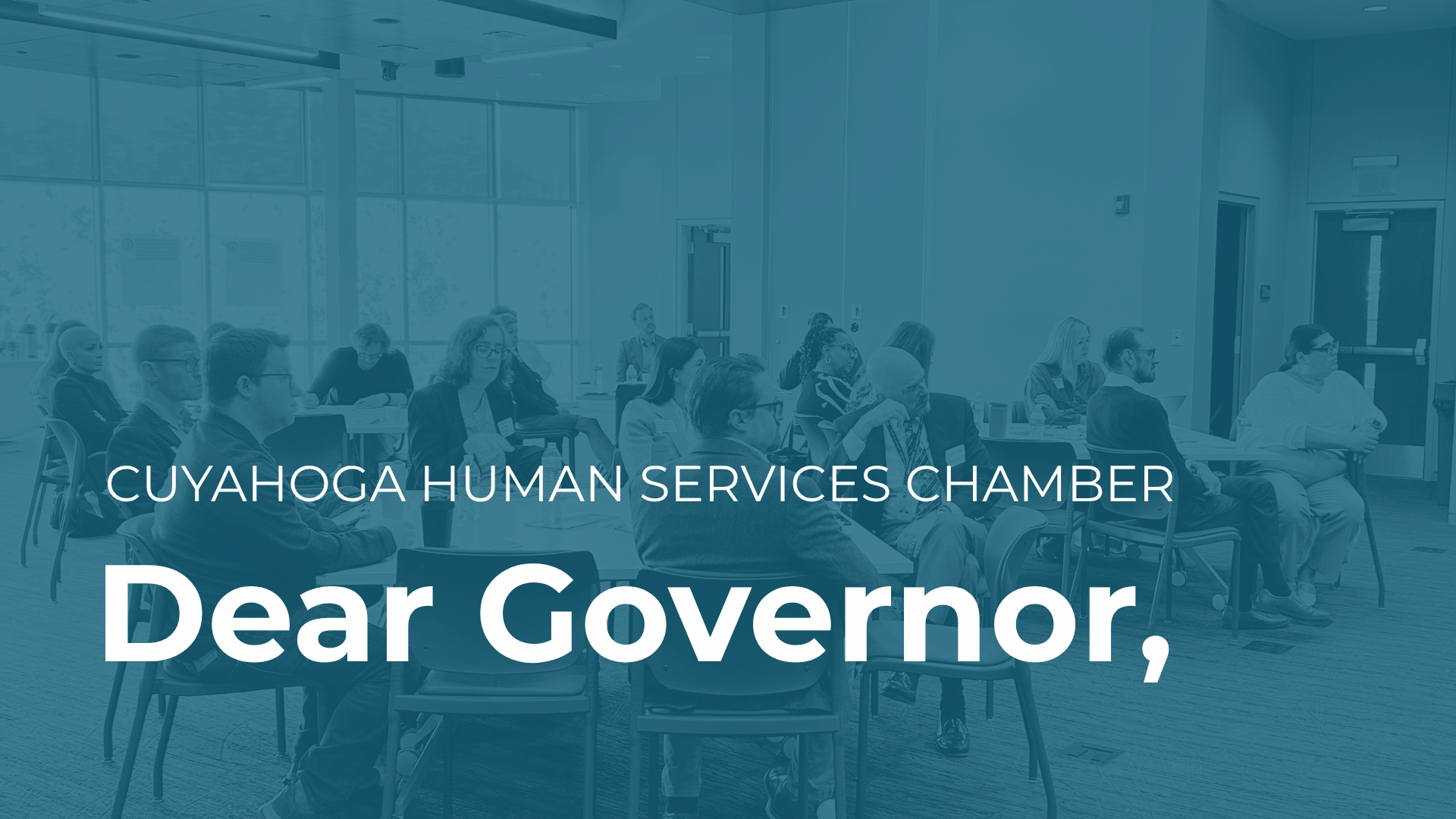

.png)

Explore the fact sheets
We make data digestible. Community Solutions produces fact sheets highlighting demographic, health, and social indicators for communities around Ohio. We examine data indicators within poverty, education, employment, income, health outcomes, and public benefit programs. Policymakers and direct service organizations use this resource to better understand the communities they serve and advocate for improved health and social conditions around the state.
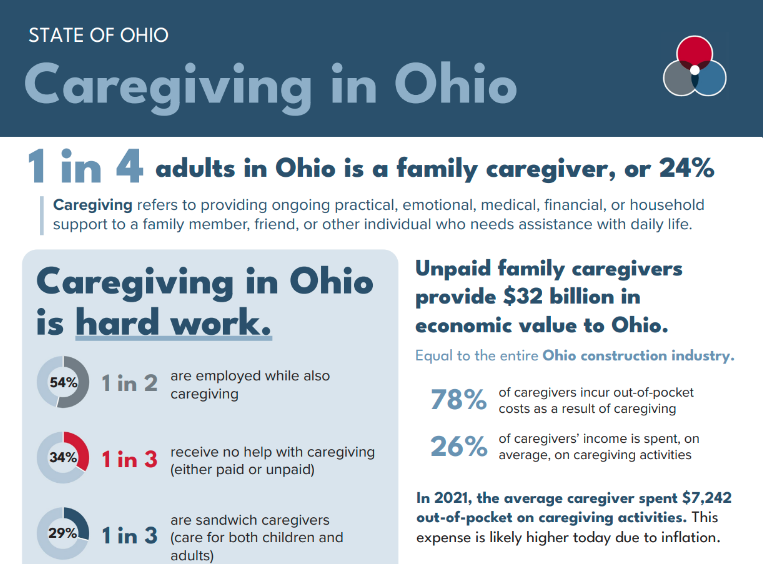
Caregiving by Ohio Legislative District
Caregiving is hard work. It can be an invisible second job for many family caregivers, keeping their loved ones safe, healthy, and out of a nursing facility. The shift toward community-based services was a deliberate policy choice, better for patients and saves Ohio Medicaid millions of dollars each year. Find your district at the Ohio Secretary of State.
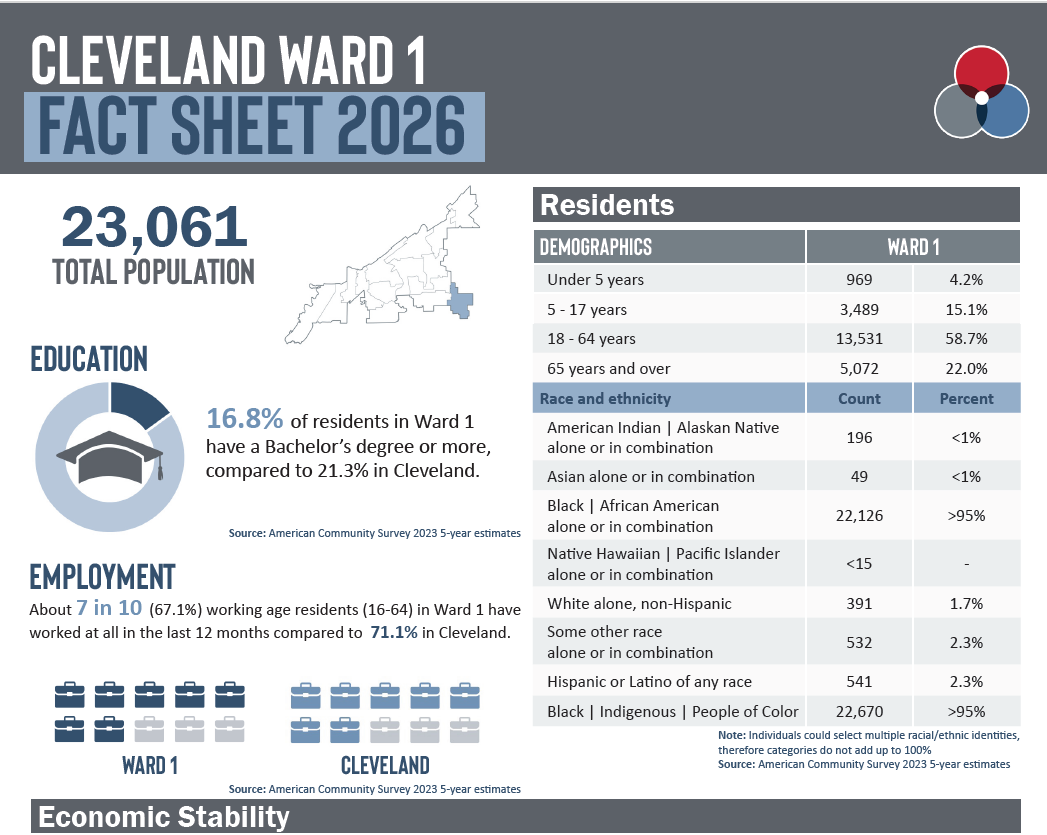
Cleveland Wards 2026
Cleveland Ward fact sheets and data profiles highlight demographic, health, and social indicators in the new 15 wards in Cleveland. The fact sheets summarize and the data profiles provide extensive information about each ward on employment and income, poverty, education, housing and health. This is the first analysis available for Cleveland's revised wards, now 15 from the prior 17. Data released 2025.
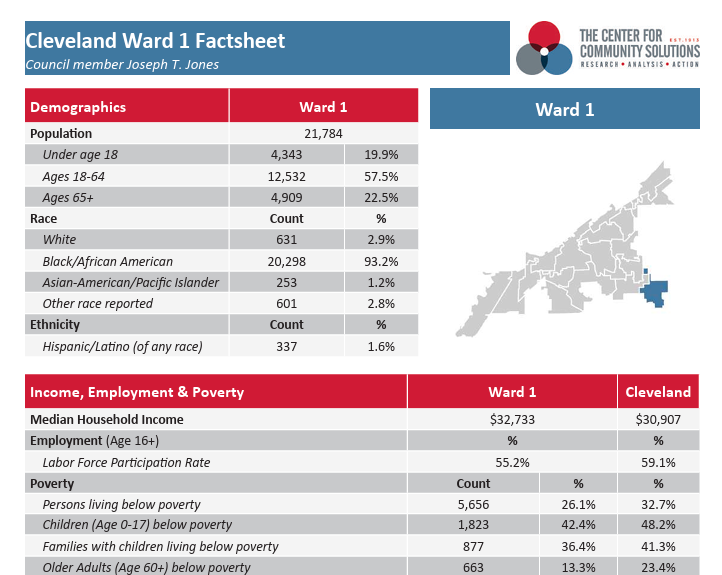
Cleveland Wards 2022
City of Cleveland Ward fact sheets highlight pre-pandemic demographic, health, and social indicators in the City of Cleveland. The fact sheets include basic demographic information about each neighborhood and pre-pandemic data on employment and income, poverty, education, housing and health. Data released 2021 and 2022. Updated with new ward configuration in 2026.

Federal Congressional Districts in Ohio
These fact sheets explore demographics, economic stability, food security, housing, education and employment, health, and funding sources in each of Ohio's 15 Federal Congressional Districts. Data from 2025. Check out the interactive worksheet.

Cuyahoga County Council Districts
Cuyahoga Council District fact sheets highlight demographic, health, and social indicators in the City of Cleveland. The fact sheets summarize and the data profiles provide extensive information about each district on employment and income, poverty, education, housing, and health. Data released 2017 and 2024.

Cleveland Neighborhoods
City of Cleveland Neighborhoods fact sheets and data profiles highlight demographic, health, and social indicators in the City of Cleveland. The fact sheets summarize and the data profiles provide extensive information about each neighborhood on employment and income, poverty, education, housing and health. Data released in 2016, 2021, and 2024.